- Sustainability Champions
- Big Challenges
- Environmental
- Social
 Farming and Food Production
- The Sustainability Mindset
- What is Sustainability?
- Corporate Social Responsibility (CSR)
- Conflict-free Minerals
- One Water
- Design and Architecture
- Ecotourism and Sustainable Tourism
- Equal Rights for Women and Girls
- Sustainability in Higher Education
- Empathy and Consciousness
- Health and Wellness
- Culture and Consciousness
- Leadership Development
- Economic
- Events
- Places
- Series
- EarthSayers Podcast
- Long Now Foundation
- Called From Darkness
- AI for Good
- Global Warming Teaching Circle
- Reconciling Ways of Knowing
- Native Perspectives on Sustainability
- Sustainable Today
- Peak Moment
- The Natural Way: Indigenous Voices: Speaker Series
- Sustainability Pioneers
- 24 Hours of Reality by The Climate Reality Project
- Ray Anderson Memorial Interviews
- The Ways: Great Lakes Native Culture & Language
About This Collection

Equal Rights for Women is a major category, like energy or climate change, of sustainability and the voices in this collection are of the present and the past.
If we don't address human rights and social justice of which the sustainability keywords and phrases include children's rights and welfare; human trafficking, slavery, and women's rights and roles, then as David Korten points out, we will not be able to come to terms with the limits of the planet and not even technology will be able to save us.
Curated by mokiethecat
 June 29, 2026 June 29, 2026The Amazon Rainforest faces critical threats from deforestation and extractive industries, particularly in Ecuador, where deforestation surged 80% in 2021, destroying 18,902 hectares. This crisis violates Indigenous rights and endangers women land defenders. The WECAN Indigenous Women of the Ecuadorian Amazon Reforestation and Forest Protection project, led by Kichwa leader Patricia Gualinga, is actively restoring and defending 135,000 hectares of Sarayaku territory. This initiative safeguards endemic tree species, supports land defender rights, and advocates against deforestation, without relying on market-based mechanisms like carbon offsets. Learn more about their ongoing programming. |
Indigenous Women Resisting Extraction and Building a Just Transition | WECAN at UNPFII
WECAN in Santa Marta, Colombia, for the Conference on Transitioning Away from Fossil Fuels

Women's Fossil Fuel Phaseout Forum: Halting Extraction and Advancing a Just Transition | WECAN

ITU Future Innovators | Voices That Lead: Women Shaping ITU

Network of Women ITU-T Interview with Izabela Iglewska

International Girls in ICT Day 2026 - Video Message from the ITU BDT Director _ Spanish Captioned

International Girls in ICT Day 2026 - Video Message from the ITU BDT Director _ English Captioned

ITU Tech Monthly | From Digital Skills to Growth - How Women-Led SMEs Are Scaling in Nigeria

ITU Secretary-General Video Message: International Girls in ICT Day 2026_ English Captioned

E3 — Girls & Space: Pathways to the stars — ITU Space Connect

ITU Global Celebration of Girls in ICT Day 2026

Network of Women in ITU-D: 2023-2025 highlights
The surprising thing I learned sailing solo around the world | Dame Ellen MacArthur
A 16-Year-Old Girl's Solo Sail Around the World | Short Film Showcase

Mary Robinson & Panel 2 of 3: Government Leaders for Fossil Fuel Phaseout – WECAN March 31 Assembl

Opening Keynote and Panel 1: Women on the Frontlines WECAN Assembly March 31, 2026

Panel 3 of 3: Building a Just Transition, and Alysia Reiner – WECAN March 31 Assembly

Women’s Momentum Assembly for a Just Fossil Fuel Phaseout – March 31, 2026

Nell Bernstein on the Successful Fight to Close Youth Prisons

Rights of Nature: A Systemic Solution to the Climate Crisis - COP29 Press Conference

Global Women's Assembly for Climate Justice: Path to COP30 and Beyond - DAY 4

Osprey Orielle Lake Speaks Out at High-Level UN Event - October 26, 2021

Osprey Orielle Speaks at the Scottish Parliament during COP26 - 2021

COP26 Press Conference: Women for Climate Justice Leading Solutions on the Frontlines of Climate
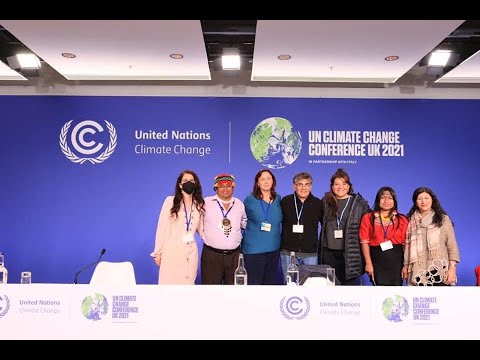
COP26 Press Conference: Report Back from the Rights of Nature Tribunal in Glasgow

COP26 Press Conference: Accelerating a Feminist Green New Deal

Indigenous Women from Brazil: Calls for Climate Action on the Road to COP30 - COP29 Press Conference
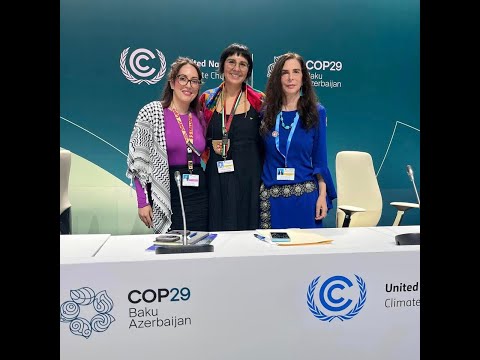
Women Leading Fossil Fuel Phaseout and A Just Transition - COP29 Press Conference

Women Leading a Just Transition - COP29 Press Conference
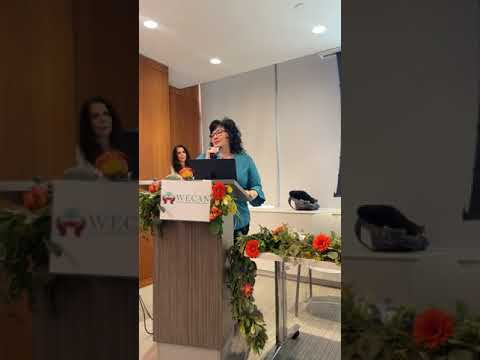
UN Permanent Forum on Indigenous Issues 2025: Protecting Land, Rights, and Future Generations

JOIN US! Global Women's Assembly For Climate Justice, June 23-28, 2025

Global Women's Assembly for Climate Justice: Path to COP30 and Beyond - DAY 6

Global Women's Assembly for Climate Justice: Path to COP30 and Beyond - DAY 5

COP26 Press Conference: Indigenous Women Leaders Send Urgent Call to Action for the Amazon in Crisis

Women Rising for Climate Justice and Future Generations

Women for Climate Justice Leading Protection of Water - Virtual Event March 2023

Women for Climate Justice Leading Solutions - COP27 Press Conference

Rights of Nature is a Systemic Solution to the Climate Crisis - COP27 Press Conference

Global Voices and Women-Led Calls to Action in Response to COP27

Women for Climate Justice Leading Solutions on the Frontlines of Climate Change - COP27 Side Event

Accelerating a Feminist Green New Deal - COP27 Press Conference

Indigenous Women from the Amazon: Calls for Urgent Action - COP27 Press Conference

Women Leading Fossil Fuel Divestment and A Just Transition - COP27 Press Conference

During this event, grassroots, Indigenous, Black, Brown, and frontline women and gender diverse l

Thilmeeza Hussain and Osprey Orielle Lake Conversation during Climate Week 2022

Women Leading Fossil Fuel Divestment and Resistance | Climate Justice Forum

African Feminist Perspectives on COP27 and Beyond | WECAN Climate Justice Forum

Scenarios Forum Presentation by Osprey Orielle Lake

Women Leading Solutions for a Healthy and Just Planet, Stockholm+50 Event

Women Leading Efforts to Uphold Indigenous Rights & Due Diligence with Financial Institutions

Implementing the Escazú Agreement: Opportunities and Implications for Women Land Defenders

Building Systemic Change: Frontline Women-Led Solutions for Climate Justice, March 24, 2022

Women for Climate Justice - 2023

Global Women's Assembly for Climate Justice: Path to COP30 and Beyond - DAY 3

Global Women's Assembly for Climate Justice: Path to COP30 and Beyond - DAY 2

Impacts of the Fossil Fuel Industry in North America — Panel 12 of 25

Grounding Principles For Climate Justice, Rights, & Democracy with a Special Opening – Panel 1 of 25

Well Being Economies for People and Planet – Panel 14 of 25

Divestment Movements & Transitioning Away From Fossil Fuels — Panel 15 of 25

On Fire! Youth Leading the Way – Panel 16 of 25

Women Parliamentarians for a Fossil Fuel Non-Proliferation Treaty – Panel 18 of 25

Regenerative and Just Energy For All – Panel 17 of 25

Women in Action for Climate Justice & a Just Transition: Path to COP30 & Beyond - Climate Week 2025

Women for Climate Justice Leading Solutions on the Frontlines of the Climate Crisis | WECAN COP30

Indigenous women of Sarayaku Nurturing and Restoring the Ecuadorian Amazon Rainforest

Closing plenary of COP30 -- Daniela Durán González, Colombian Minister

Indigenous People's Day inside #COP30!

Global Voices and Women-Led Calls to Action in Response to COP30

Rights of Nature: A Systemic Solution to the Climate Crisis | WECAN COP30 Press Conference

Indigenous Women from the Amazon: Protect Forests & Indigenous Rights | WECAN COP30 Press Conference

Women on the Frontlines of Climate Action | WECAN COP30 Press Conference

Climate Finance for Climate Justice — Panel 5 of 25
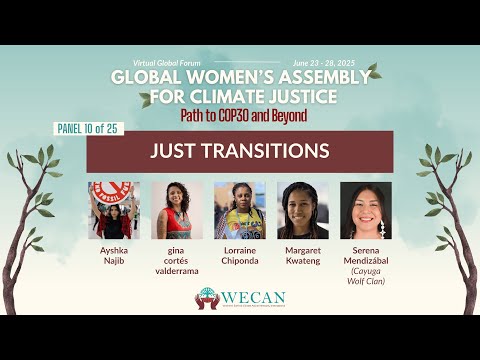
Just Transitions — Panel 10 of 25
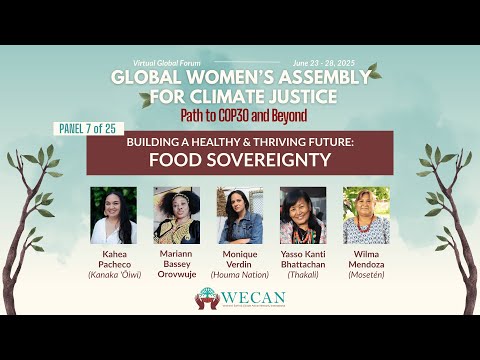
Building a Healthy & Thriving Future: Food Sovereignty – Panel 7 of 25

Global Women's Assembly for Climate Justice: Path to COP30 and Beyond - DAY 1

What's Ahead: Collective Action for Climate Justice: Part 2 – Panel 25 of 25

Rights of Nature as a Systemic Solution: Protecting & Defending the Places We Live – Panel 21 of 2

Breakthrough Journalism: Strategies For Covering the Climate Crisis – Panel 23 of 25

Oceans, Freshwater, and Climate – Panel 20 of 25

Implementing the Escazu Agreement: Protecting Women Land Defenders and Nature – Panel 19 of 25

Indigenous Women From Brazil on the Path to COP30 – Panel 22 of 25

What's Ahead: Collective Action for Climate Justice: Part 1 – Panel 24 of 25

The panel “Healing Justice in the Climate Crisis: Restoring Mind, Body, and Spirit” w

Global Voices for Climate Justice in a Time of Uncertainty Panel 6 of 25

The panel “Rematriating the Land: Indigenous Sovereignty and the Land Back Movement”

The panel “Feminist Frameworks For Global Climate Justice” was held on Monday, June 2

The panel “Women For Forests: Protection & Reforestation: Part 1” was held on Mon

The panel “No Greenwashing: Rejecting False Solutions to the Climate Crisis” was held
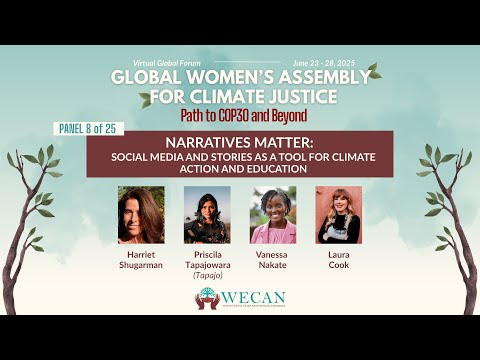
The panel “Narratives Matter: Social Media And Stories As A Tool For Climate Action And Edu

Women for Forests: Protection & Reforestation: Part 2 — Panel 11 of 25

Uplifting Women Human Rights Defenders and Advancing the Escazu Agreement

Indigenous Women from North America Defending Biodiversity, Human Rights, and our Global Climate

Indigenous Women Rising to Stop Line 5 and Protect Water, Communities & Our Climate
Women Ending the Era of Fossil Fuels & Building a Just Transition

Calls for Action to End the Era of Fossil Fuels and Accelerate a Just Transition - IWD 2024

Stop Line 5 Petition Delivery in Washington DC - March 2024

Live Public Launch: The Escazú Agreement Toolkits for Women Land Defenders and Frontline Communities

Indigenous Youth Leading Solutions for Climate Justice, UNPFII 2024

Indigenous knowledge is a climate solution! At the epicenter of massive fracking in Oklahoma, Cas

Transforming Global Economies: From Extraction to Regeneration in a Just Transition

Climate Week 2024: Women on the Frontlines of the Climate Crisis

Report Launch: The Gendered and Racial Impacts of the Fossil Fuel Industry

How Worldviews and Climate Justice Can Remake a World in Crisis

COP28: Women Implementing Climate Justice Solutions to Mitigate and Adapt to the Climate Crisis.

Global Voices and Women-Led Calls to Action in Response to COP28

Women Leading Fossil Fuel Phaseout and a Just Transition | WECAN COP30 Press Conference

Indigenous Women Upholding Indigenous Rights and Knowledge, and Leading Climate Solutions - UNPFII

WECAN Announcement: The Ponca Earthen Lodge Project for Food Sovereignty and Safe Harbor

Transforming Global Economies for People, Planet, and a Just Transition - Climate Week 2023

Women Ending the Era of Fossil Fuels and Leading a Just Transition - Climate Week 2023

How Worldviews and Climate Justice Can Remake a World in Crisis

Women for Climate Justice Leading Solutions, Press Conference, COP28

Women Leading Fossil Fuel Phaseout and A Just Transition, Press Conference, COP28

Indigenous Women from the Amazon: Calls for Urgent Action, Press Conference, COP28

Accelerating Feminist Solutions to the Climate Crisis, Press Conference, COP28

Rights of Nature: A Systemic Solution to the Climate Crisis, Press Conference, COP28
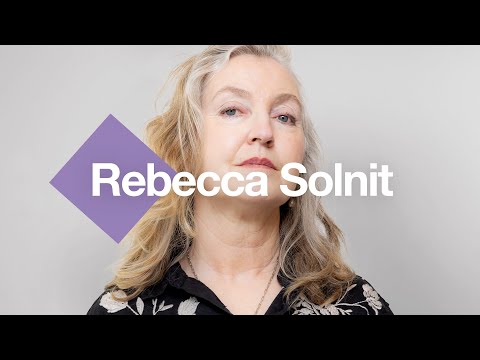
Rebecca Solnit: Hopelessness is a luxury

#TeamITU: Maud Abaa on building an inclusive digital future

A!oracle a Day
-
Scenarios Forum Presentation by Osprey Orielle Lake
-
Report Launch: The Gendered and Racial Impacts of the Fossil Fuel Industry

Lynn Margulis is the author of Mind, Life, and Universe, Dazzle Gradually, and Luminous Fish. In

Where do women stand in the workforce? Don't miss our "Women in the Workplace" 10-year annivers

Dr. Rim Belhassine-Cherif, Chair of NoW in ITU-T, Chief Innovation and Strategy Officer, Tunisie T&

ITU SECRETARY-GENERAL VIDEO MESSAGE: Girls in ICT Day 2023

This year and every year, ITU and partners work together to inspire and encourage girls to pursue a

Business leaders around the world answer the important question: How do you nurture diversity in

Empowering Women and Youth in the Face of Emerging Technologies | Lesly Goh | TEDxBostonCollege

How empowering women and girls can help stop global warming with Katharine Wilkinson

The new generation of women climate leaders

But where are you Really from? Resolving Unconscious Bias | Rehman Abdulrehman | TEDxWpg

What Gender Reconciliation Looks Like by Cynthia Brix

Women in the Workplace (2017) by Charlotte Relyea

The Butterfly Effect with Catharine MacKinnon

Tackling gender equality in the United Kingdom

Disrupting the Narrative: Unlocking Stories of Diversity in Tech

See the results from our LeanIn.Org and McKinsey Women in the Workplace 2015 survey - insights fr

State of Female Revolution by #GRITtv on International Women's Day

Science stories? Equilibrium: Where are the women?

Capitalism, Imperialism, Feminism: Monique Wilson & Agnes Pareyio

Connecting women and STEM: Ekemini Udofa at TEDxBaltimoreWomen

Looks Count: The Few Women in Science,Tech,Engineering and Math (STEM)

Dissecting the Diversity Problem: How Can Leadership Make an Impact in Tech?

A Conversation with Hillary Rodham Clinton

Walk into any church or cathedral today and you might hear women singing, preaching, praying publ

Women's Economic Empowerment

Violence Strikes 1 in 3 Women Globally by Jeni G. Klugman

Emerging Women Live Conferences

Aisha's Song

President Jimmy Carter talks about his newly released book, A Call to Action: Women, Religion, Vi

Worklife and Friendship by Ruth Ann Barrett

Crowd sourcing the feminine intelligence of the planet: Jensine Larsen

How Bella Abzug changed credit laws

Gender & IDA: Fostering gender equality and empowerment

Gender Equality by the OECD

The Equality Effect

Women Deliver by Jill Sheffield

The Changing Power of Women by Gifty Pearl Abenaab of Ghana

Meet Luisa Daniel Pérez

Pro Mujer celebrates its 20th Anniversary

Jasmina is a Serbian author, feminist, political activist (Women in Black, Code Pink), translator

Equal Rights Agendment (ERA)
![MDG - Women's independence through work. 7 billion Others [Spot #9 EN]](/images/tn_25245.png "MDG - Women's independence through work. 7 billion Others [Spot #9 EN]")
MDG - Women's independence through work. 7 billion Others [Spot #9 EN]

MC Human Rights Hall of Fame honored Dr. Bernice Sandler and in this interview she talks about he

Billie Jean King Congratulates Dr. Bernice Sandler

I'm Rising...by Ted Turner Laura Turner Seydel

I Am Rising a Union of Values by Herman Van Rompuy

I Am Rising...by Congresswoman Jan Schakowsky

Eve Ensler Extends Her Gratitude

Join Bay Area One Billion Rising Flash Mob in SF Feb. 14th!

1 Billion Rising - February 14, 2013

I Am Rising... by Nousha Salimi of Iran

"I Am Rising...Marta Coronado from Chicago, IL

I am Rising...Lily Tomlin

I am rising...Jessica Alba

About One Billion Rising Event on February 14, 2013
 on Twitter